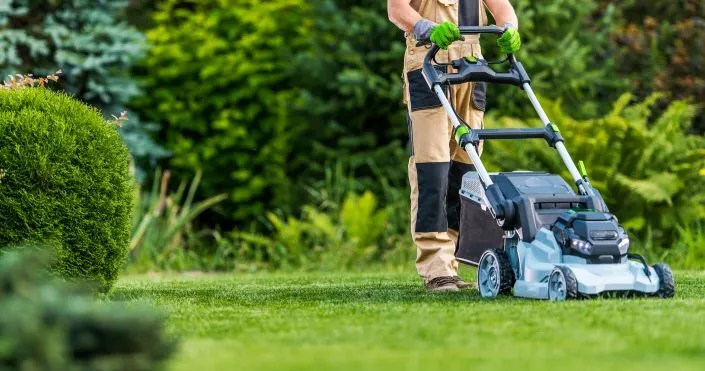
Maintaining a vibrant, healthy lawn in Mukilteo, WA requires more than just regular mowing. With the area’s unique climate and soil conditions, tailored lawn care strategies are pivotal for lasting curb appeal. From extensive irrigation in summer heat to strategic overseeding as temperatures dip, following these best practices will keep your grass green through every season. In addition to routine mowing and watering, other key steps include aerating grass to improve drainage, addressing weeds or pests promptly, and utilizing a balanced fertilizing regimen tailored to local conditions. With a little extra effort, you can enjoy a lush oasis that enhances your home’s curb appeal for years to come.
Mastering the Art of Lawn Maintenance: Seasonal Strategies
As winter’s chill dissipates and spring’s rejuvenating caress embraces the Puget Sound region, it is time to rouse your outdoor space from its dormancy. The first critical step in revitalizing your lawn is a meticulous inspection of its current state. Begin by tidying any lingering leaves, debris, and dead grass accumulated throughout the colder months. Not only does this allow vital sunlight to penetrate but also reduces disease risk by enhancing airflow circulation.
Once purified, ponder perforating your lawn’s surface through aeration, a process fundamental for alleviating compacted earth, particularly in areas enduring heavy human activity or heavy clay-type soils ubiquitous to the Pacific Northwest. Aeration cultivates deep root growth while optimizing the absorption of water and nutrients. It is advisable to combine this technique with topdressing by applying a thin veneer of compost or quality topsoil to provide crucial sustenance.
In the vernal season, fertilization must not be overlooked; employing a balanced fertilizer—abundant in nitrogen forms like ammonium sulfate during this period helps energize the growth cycle. Opt for a slow-release variant to progressively nurture your grass all through the season. Moreover, spring is the perfect timing for overseeding; if your lawn exhibits barren patches, this will permit a thicker, healthier carpet as warmer weather encroaches. Remember to maintain newly seeded regions moist but not saturated to guarantee ideal germination.
Summer Lawn Care in Hot Weather
The warm months around Mukilteo can pose difficulties for grass upkeep as temperatures elevate and rainfall may become sporadic. The essentials for summer survival of your lawn rely on smart irrigation practices and keeping a healthy blade length. Infrequent but deep watering urges root systems to burrow farther down into the dirt, rendering the grass more drought-resistant. Target roughly 1 to 1.5 inches of water per week, adjusting for rainfall and heat changes.
One frequent error is cutting too briefly. During the height of summer, maintaining your grass at a length of 3 to 4 inches is recommended. This duration helps shade the soil, lessens water evaporation, and inhibits weed growth. Moreover, ensure your mower blades are sharp; dull blades can tear grass instead of slicing it smoothly, leading to strain and susceptibility to diseases.
Additionally, think about the impact of summer pests and sicknesses. Regular checks can help detect issues like grubs or fungal infections early. If you identify any problems, employing targeted, eco-friendly treatments can mitigate harm without damaging beneficial organisms in your lawn. Summer is also when to be vigilant against weeds; a post-emergent herbicide may be necessary, specifically for aggressive varieties like crabgrass, given safety measures are taken to protect your grass species.
Pre-winter Lawn Care with Accuracy
As vibrant foliage transitions into colorful autumn hues, it’s crucial to ready your lawn for the colder months ahead. This change phase is a window where your grass still actively grows, making it an excellent time for last-minute treatments. Begin by doing another round of aerating, particularly if the summer has been harsh; this will ease soil compaction accumulated from foot traffic.
The cool autumn winds ushered in changes across the landscape. As deciduous trees shed their leaves, Martin set about preparing his lawn for the dormant months ahead. He began with aeration to promote healthier soil. Next, he applied a tailored fertilizer high in potassium to reinforce root structures against impending frosts. While nitrogen encourages top growth, Martin opted for a modest rate, knowing any late growth would lack time to acclimate.
In addition to nourishing the soil, Martin performed another important task – overseeding. The mild temperatures and moisture of fall make it the prime time for new seeds to take root. With a little luck and nurturing, a thicker, greener carpet would emerge come spring.
As weeks passed, Martin continued his tending though outdoor work grew more limited. He maintained the recommended mowing height until the last blades wilted under the season’s fading light. Raking was no less crucial to clear built-up leaves, which could otherwise smother precious grass beneath. With protective measures in place, mulch and straw formed a insulating blanket for the dormant lawn’s return.
Meanwhile, Martin delved deeper into soil science. Beyond its outward appearance lay a complex living system. Through testing, he identified nutrients present or absent in his particular soil type – whether sandy, clay or between. An optimum balance included air, water, minerals and precious organic matter from decaying plant and microbial life. The latter especially aided nutrient absorption and structure to sustain a healthy habitat for both grass and endless tiny organisms below.
Investing properly in soil health stands as a foundational practice for any lush, vibrant lawn. Fostering structure through amendments like compost or manure creates an environment conducive to robust root growth and moisture retention—key factors for a deep, verdant carpet of grass. Remember, nourish the soil and the lawn will follow suit.
Understanding fertilization fundamentals represents an opportunity to strategically nurture soil potential in this region of abundant rainfall. The Pacific Northwest’s waterways necessitate conscious application, as organic emulsions release nutrients gradually while cultivating microbial populations. Fish emulsion and bone meal feed soil life as they feed grass, reducing runoff concerns.
Three primary nutrients demand focus: nitrogen for foliage, phosphorus for roots, and potassium for resilience. Fertilizer ratios of N-P-K offer guidance in selecting options aligned with conditions. Proper timing also proves paramount—nutrients applied during spring bursts or autumn bolstering ensure effective use by lawns, avoiding waste and risk of runoff outside growth peaks. Regular testing likewise tailors nourishment precisely to needs revealed by the soil analysis. A healthy soil translates to a healthy, abundantly fed lawn through informed stewardship of its fundamental requirements.
pH Levels and Lawn Health: Striking the Ideal Balance
The pH reading of your soil plays a pivotal role in deciding nutrient availability to grass and other plants. The perfect pH for most grass types tends to lie between 6.0 and 7.0, which is slightly acidic to neutral. In Mukilteo, analyzing your soil pH is recommended as many local soils tend to be slightly acidic due to the heavy downpours; this can lock up essential nutrients, causing yellowing grass and poor growth.
If your soil is too acidic, think about applying lime to boost the pH, while sulfur can be used if your soil is overly alkaline. The application rates will depend on the conclusions from your soil tests, as over-adjusting can lead to imbalances and additional complications. Maintaining optimal pH not only enhances nutrient absorption but also promotes a thriving environment for beneficial microorganisms, contributing to the overall health and robustness of your lawn.
Varieties Unearthed: Selecting the Appropriate Variety for Mukilteo
Climatic Considerations: What Works Best in the Pacific Northwest?
The Pacific Northwest boasts a moderate maritime climate with mild, damp winters and warm, arid summers. These conditions are ideal for specific grass varieties that thrive in such environments, primarily cool-season grasses. Popular choices involve Kentucky bluegrass, tall fescue, and perennial ryegrass. These grasses demonstrate robust growth in spring and early fall, aligning perfectly with Mukilteo’s climactic patterns.
Kentucky bluegrass, renowned for its lush aesthetic appeal and resilience, demands regular irrigation to truly flourish at its best. Tall fescue, with its broad blade and tolerance of drought, provides homeowners an excellent selection capable of thriving with less water once established. Perennial ryegrass germinates rapidly, making it an ideal choice for patching bare spots swiftly, especially during overseeding. Selecting a grass variety matching your lawn’s light exposure as well as maintenance preferences is paramount for a thriving landscape.
Options Requiring Less Upkeep: Ideal Choices for Busy Owners
For homeowners with demanding schedules, sorting through the wide selection of grass types can feel daunting. Opting for low-maintenance grass varieties delivers the most effective solution for maintaining a lush lawn without major time commitments. In this class, fine fescue blends containing creeping red fescue and chewings fescue require less watering and mowing while staying visually appealing. Their fine-textured appearance combined with resilience renders them perfect for portions of the yard receiving less foot traffic.
Additionally, native plant mixes can significantly lessen the need for irrigation as they have adapted to thrive under local conditions. These grasses are eco-friendly, aligning with sustainable gardening principles. While choosing options requiring less upkeep ensures a lush lawn, it simultaneously aligns with a commitment to reducing inputs and allowing your grass to flourish naturally.
Luxurious Lawn Varieties: Enhancing Curb Appeal through Resilient Grasses
While basic turfgrass suits basic needs, discerning homeowners prioritize beauty and hardiness. Two elite selections satisfy these demands: Tifway 419 Bermuda and zoysia. Renowned for lush textures and endurance against use, both require dedicated maintenance to preserve splendor. Tifway 419, a star of greens, excels at drought tolerance and recovering speedily from harm but may necessitate more frequent mowing and nourishment.
Zoysia also offers an appealing alternative, distinguishing itself with a dense carpet and adaptability to various conditions like shade. Though slower to start, it rewards diligence with an unparalleled canvas. Gracing property with these superior strains boosts kerb appeal, cultivating an inviting oasis to enjoy throughout the year.
Innovative Techniques: A Cutting-Edge Approach to Landscaping
Smart Watering Systems: Irrigating Judiciously for Utmost Efficiency
Progress has hugely improved watering practicality through advanced solutions, notably automated controllers utilizing sensors and meteorological data to self-adjust schedules as conditions change. This spares waste from over-watering or rainfall, protecting resources and budgets.
Relying on an automated system with smart oversight ensures grass obtains just the moisture required, reducing workload for homeowners and nurturing healthier foliage. Many permit remote management too, providing flexibility especially on trips or busy days.
Robotic Mowers: The Rise of Effortless Lawn Maintenance
Technological advances have rapidly increased robotic mowers’ popularity among busy homeowners recently. These smart devices autonomously navigate and cut grass, avoiding obstacles and recharging unattended. Requiring minimal effort allows flawless cuts when manual maintenance proves difficult. Consistent trimming minimizes existing turf wear.
Moreover, robotic mowers notably diminish noise and emission pollution versus gas mowers, exemplifying eco-friendliness. As features evolve including scheduling, cutting patterns, and terrain mapping, convenience maximizes while hassle-free, efficient care takes hold.
Earth-Conscious Practices: Holistic Techniques for a Greener Setting
Burgeoning environmental awareness among homeowners fuels interest in earth-conscious lawn methods. Sustainable gardening comprises more than chemical reduction; comprehending soil, plant, and biodiversity interrelations. Practices like mulching clippings, natural fertilizing, and native species incorporation markedly enhance turf health while minimizing footprints.
Composting, providing nutrients, remains fundamental while waste reduction occurs. Homeowners create efficient compost piles with kitchen scraps and yard debris, lessening commercial fertilizer reliance over time. Incorporating native landscaping embracing local conditions demands less upkeep and water while aiding wildlife forms a sustainable regimen.
By embracing eco-friendly practices, one can nurture their yard into a rich ecosystem where both people and wildlife feel at home. Maintaining a verdant lawn represents an opportunity to cultivate a haven championing sustainability in gardening through diverse flora and varied sentences harmonizing efficiency and enjoyment.
Looking for ways to improve your lawn care in Mukilteo, WA? Whether you’re just starting or fine-tuning your routine, these strategies provide the groundwork for thriving grass in every season. For homeowners seeking professional support or personalized advice, partnering with a local expert in lawn care in Mukilteo, WA can be the key to year-round success. With the right mix of science, tools, and timing, lawn care in Mukilteo, WA becomes a rewarding journey toward curb appeal and outdoor enjoyment.