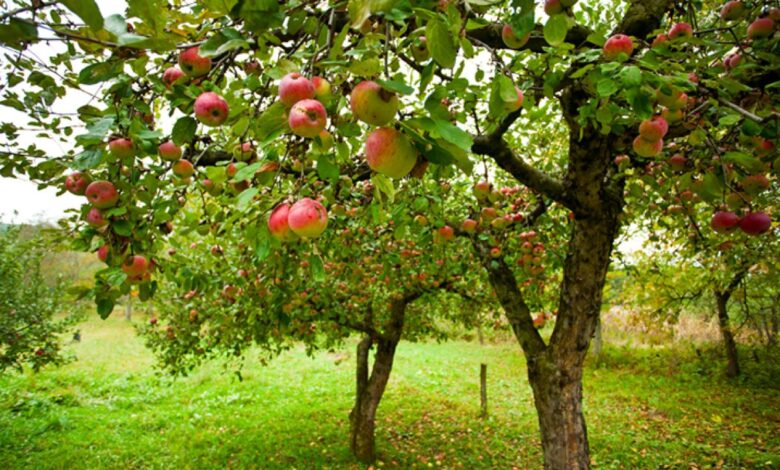
A good orchard is not only a collection of trees. It is a calendar. Blossom, pollination, fruit set, summer growth, ripening, storing, pruning, and winter rest all follow one another in a rhythm that can shape the whole gardening year. Planning with that rhythm in mind creates a more useful and satisfying planting scheme.
Many new growers focus on the first harvest they imagine. Apples in autumn, cherries in summer, pears in September, or plums eaten warm from the branch are all strong images. Yet an orchard becomes more rewarding when it offers interest and produce across several seasons rather than one brief burst of abundance.
Gardeners looking at fruit trees for sale can use seasonal planning to avoid overcrowding one month and neglecting another. By combining different fruits, flowering times, ripening periods, and storage qualities, even a modest orchard can feel generous for much of the year.
The range at https://www.chrisbowers.co.uk/ gives gardeners a useful way to compare orchard possibilities, from familiar apples and pears to stone fruits, nuts, and soft fruit plants. The best selection depends on the space available and the kind of seasonal experience the grower wants to create.
An orchard planned for every season does not need to be large. It may be a few trees in a lawn, a line of trained forms on a boundary, or a mixed fruit area at the edge of a vegetable garden. What matters is that the planting has sequence, compatibility, and purpose.
Begin with the Orchard Calendar
The orchard year begins before visible growth. Winter is the season for bare root planting, structural pruning of apples and pears, soil preparation, and planning. It is also the moment when gardeners can see the shape of the orchard clearly, without leaves hiding branch structure or casting shade.
Spring brings blossom, pollination, and the first signs of fruit set. This is one of the most beautiful parts of the orchard calendar, but it is also delicate. Frost, wind, and rain can affect pollinating insects and damage flowers. Choosing varieties with suitable flowering times and providing sheltered positions helps reduce risk.
Summer is the season of growth, watering, thinning, and early harvests. Cherries, early plums, apricots in warm spots, and some early apples may begin to ripen. Young trees need particular attention during dry spells because their root systems are still developing.
Autumn is the classic harvest season for many apples and pears, along with late plums, damsons, quinces, and nuts in suitable gardens. It is also a time to assess what worked. Heavy crops, poor fruit set, disease problems, or awkward access all provide information for future pruning and planting decisions.
Mix Early, Mid Season, and Late Varieties
One of the simplest ways to improve an orchard is to choose varieties that ripen at different times. If every tree crops in the same fortnight, the harvest can become difficult to use. A sequence of early, mid season, and late varieties gives the household more time to enjoy fresh fruit and process any surplus.
Apples are particularly useful for this style of planning. Early dessert varieties can be eaten straight from the tree, mid season apples can bridge late summer and autumn, and late keeping varieties can be stored for winter use. Cooking apples can add another layer of usefulness because they support baking, sauces, and preserves.
Pears also benefit from careful sequencing. Some are best eaten soon after picking, while others need time indoors to finish ripening. Understanding this behaviour helps gardeners avoid judging pears too early or leaving them too long on the tree.
Stone fruits tend to have shorter windows, but they bring valuable summer variety. A cherry, plum, gage, peach, or apricot can make the orchard feel abundant before the main apple and pear harvest begins. In smaller spaces, even one well chosen stone fruit can broaden the seasonal character of the garden.
Use Blossom as a Design Feature
Fruit blossom is not merely a prelude to harvest. It is one of the most attractive ornamental features a garden can offer. Apples, pears, cherries, plums, crab apples, and quinces all flower with their own character, creating a spring display that can rival many purely decorative trees.
Planning blossom sequence adds depth to the garden. Plums and cherries often flower earlier, while apples and crab apples may extend the display later into spring. Pear blossom has a clean white quality that can look especially good against darker evergreen backgrounds or brick walls.
Blossom also supports pollinators. Bees, hoverflies, and other beneficial insects are drawn to fruit tree flowers at a time when food sources may still be limited. A mixed orchard can therefore contribute to garden ecology as well as food production.
The placement of blossom matters. A tree visible from a kitchen window or seating area can bring daily pleasure during spring. Trained trees on walls and fences can turn practical boundaries into seasonal features. When the orchard is treated as part of the garden design, it becomes beautiful before the first fruit appears.
Build Pollination into the Layout
Pollination should be planned before trees are ordered. Apples, pears, plums, and cherries vary in their need for compatible partners. Some are self fertile, some are partially self fertile, and others need another variety nearby. A successful orchard layout places compatible trees close enough for pollinating insects to move between them.
Flowering groups provide a useful guide. Trees that flower at similar times are more likely to pollinate one another. In a mixed orchard, it is wise to avoid relying on a single variety for pollen support. Several compatible options create resilience when weather disrupts part of the blossom period.
Crab apples can play an important role in apple pollination. Many flower abundantly and over a useful period, making them valuable companions in both large and small orchards. They also add ornamental fruit and wildlife value later in the year.
The physical layout should make pollination and care easier. Trees do not need to stand in rigid rows, but they should be arranged so that compatible partners are not isolated. Access routes for pruning, mowing, mulching, and harvesting should be considered at the same time.
Include Storage and Kitchen Use in the Plan
An orchard is most satisfying when its crops suit the household. Some fruit is best eaten immediately. Some is ideal for cooking. Some stores well. Some is suited to preserving, drying, juicing, or freezing. Planting choices should reflect these uses.
Late keeping apples and certain pears can extend the value of the orchard into winter. They may not have the instant sweetness of early fruit, but they offer practical abundance long after the leaves have fallen. A cool, dark, frost free storage place can make these varieties especially worthwhile.
Plums, damsons, crab apples, quinces, and currants support preserves and kitchen projects. A gardener who enjoys jam, jelly, chutney, or baking may want varieties that produce dependable crops for processing. This makes the orchard feel connected to the kitchen rather than simply decorative.
It is also worth being honest about volume. A large tree can produce more fruit than one household can use. Smaller rootstocks, trained forms, or a broader mix of fruit types may be more practical than several large trees that all crop heavily at once.
Leave Room for the Orchard to Mature
Young orchards can look sparse at first. This tempts gardeners to plant too closely or fill every gap with permanent shrubs. Over time, however, tree canopies expand, roots spread, and shade patterns change. Leaving enough space at the beginning protects the orchard’s future health.
The spaces between young trees can still be productive. They may be used for annual flowers, herbs, soft fruit, or temporary vegetable beds while the orchard develops. These plantings should not compete heavily with young tree roots or make watering and mulching difficult.
Long term maintenance should be designed into the orchard. Paths, mowing strips, mulch rings, compost access, water points, and tool movement all matter. An orchard that is easy to care for is more likely to receive timely attention.
Planning for every season is ultimately planning for continuity. The orchard should wake beautifully in spring, carry growth through summer, reward the gardener in harvest months, and rest cleanly in winter. When trees are chosen with that whole cycle in mind, the garden gains structure, produce, and a sense of yearly purpose.
Let the Orchard Serve People as Well as Plants
An orchard should be pleasant to use, not merely correct on paper. The layout needs to support walking, picking, pruning, mowing, mulching, and carrying baskets of fruit. If the orchard is awkward to move through, seasonal tasks become chores and the trees are less likely to receive timely care.
Paths can be simple, but they should be intentional. A mown strip, gravel path, stepping route, or clear grass aisle helps define access. It also prevents young trees from being approached randomly through wet grass or crowded planting. Regular routes make maintenance feel part of the design.
Seating can change the way an orchard is experienced. A bench near spring blossom or under light summer shade makes the trees part of daily enjoyment. Fruit trees are productive plants, but they are also atmospheric. Their value increases when people spend time among them.
Storage and processing space should be considered before heavy crops arrive. Apples may need trays, shelves, or a cool room. Plums may need jam jars or freezer space. Pears may need careful indoor ripening. A harvest is more satisfying when the household is ready to use it.
The orchard can also support other garden activities. Spring bulbs, meadow grass, herbs, or low wildlife planting can occupy the ground beneath trees if competition is managed. These layers make the orchard more beautiful and useful, but young tree roots should remain protected from dense grass and weeds.
Water access is easy to forget in winter planning. Young trees may need watering through dry spring and summer periods, especially in their first few years. A distant tap can make this work tiresome. Where possible, water butts, hoses, or practical carrying routes should be part of the plan.
The needs of future pruning should influence spacing. Branches that look far apart at planting can meet within a few seasons. Ladders or steps need safe ground. A gardener should be able to stand beside each tree and see the canopy clearly.
An orchard designed for people becomes more resilient because it invites attention. The gardener notices blossom, fruit set, pests, drought, and ripening simply by being present. That regular contact is often what turns a group of trees into a successful long term planting.
Orchard planning should also leave room for change. A family may discover that it uses more cooking apples than expected, or that late pears are more valuable than early plums. A gardener may develop a taste for preserving, juicing, or heritage varieties. The layout should allow sensible additions without crowding the original trees.
Temporary planting can help during the early years. While fruit trees are small, spaces between them may support annual flowers, low vegetables, or green manures. These plantings keep the orchard active, but they should not steal moisture from young trees or make mowing and mulching difficult.
Boundaries deserve attention. A hedge may shelter the orchard, but it can also compete for water and nutrients if planted too close. A fence may provide protection, yet it may cast shade. The relationship between trees and boundaries should be checked at different times of day.
Wildlife pressure varies by garden. Birds, wasps, deer, rabbits, and squirrels can all affect fruit or young bark in some places. Protection may need to be designed in from the beginning, whether through guards, netting frames, or thoughtful placement near regular human activity.
An orchard for every season should also have moments of rest. Winter structure, bare branches, and clean mulch rings are part of its character. Not every month needs abundance. A well planned orchard feels alive even when it is quiet because the next stage of the cycle is already visible.
Over time, the orchard becomes easier to read. The gardener learns where frost settles, which trees flower first, which fruit stores best, and where summer shade falls. That knowledge is the real harvest of the first few years, and it makes each later season more productive.